The Wrapper That Dried on a Dying River: Tracing Spring Rolls Back to the Mekong's Water Crisis
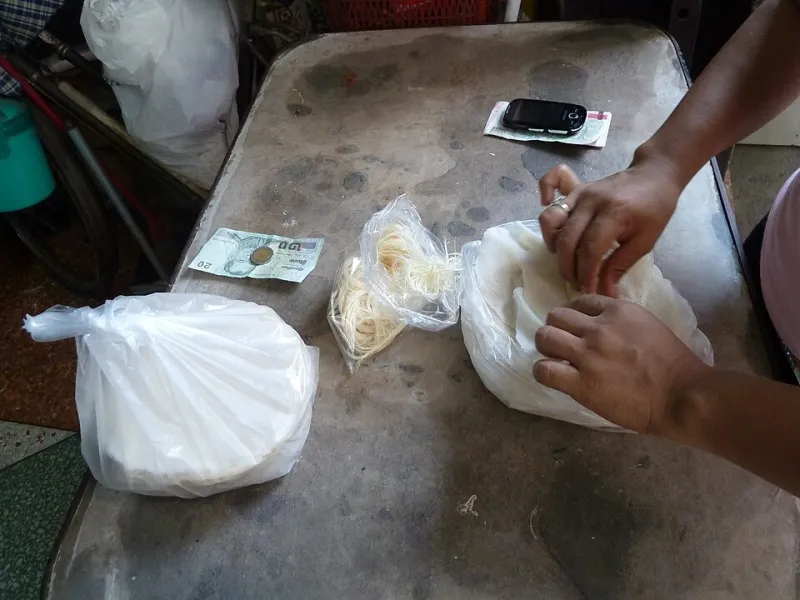
Photo: deror_avi, CC BY-SA 3.0, via Wikimedia Commons
There's a moment in the village of My Long, in Vietnam's Tra Vinh province, when the whole street smells like steamed rice and hot metal. Every morning before the Delta heat becomes unbearable, families fire up coal stoves, ladle thin rice batter onto cloth stretched over boiling water, and peel off gossamer discs the size of dinner plates. They dry them on bamboo racks in the sun. By afternoon, thousands of translucent wrappers are stacked, bundled, and shipped toward Saigon's ports — and eventually, into restaurants from Houston to Seattle.
What the wrappers don't carry with them is the water story. And lately, that story has been getting ugly.
The Drought That Didn't Make the Evening News
The Mekong Delta produces roughly half of Vietnam's rice, and rice paper makers depend on the same hydrology — steady river flow, shallow freshwater tables, a predictable wet season. Since 2016, that predictability has collapsed. Upstream dams in Laos and China throttle the river's dry-season flow. Sand mining for Southeast Asia's construction boom deepens the riverbed, letting seawater push further inland. During the 2019–2020 drought, salt intrusion traveled up to 90 kilometers from the coast, poisoning wells and rice paddies alike.
In My Long and neighboring wrapper-making villages, the consequences are intimate. Rice paper requires clean, slightly mineral water — too much salinity and the batter breaks, the discs crack, the texture goes wrong. Artisans I've spoken with describe hauling water from further and further away, or switching to rice varieties that yield less but tolerate salt better. Some families have simply stopped. The craft that survived French colonialism, war, and market liberalization is now negotiating with hydrology.
Here's the part that should make American diners pause: the demand side of this equation isn't only Vietnamese. It's partly us.
Your Appetizer Has a Supply Chain
Vietnamese food has gone thoroughly mainstream in the United States. Goi cuon — those fresh herb-packed summer rolls — appear on menus at strip-mall pho spots, airport grab-and-go counters, and Whole Foods refrigerated cases. The US imports tens of millions of dollars of rice-based products from Vietnam annually, rice paper among them. Every wrapper represents rice grown in water-stressed fields, processed with fresh water, dried under a sun that increasingly bakes a saltier landscape.
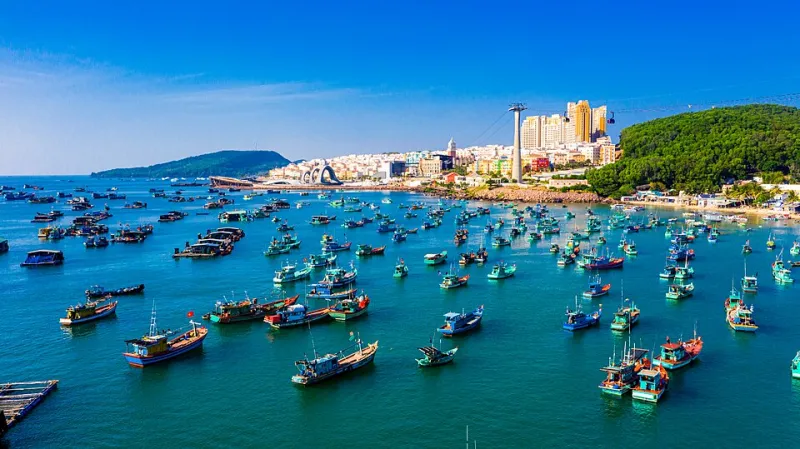
This isn't an argument to stop eating spring rolls. It's an argument that the sustainability conversation we're having about travel needs to follow us home. Green Trails Vietnam exists because travelers ask us hard questions — about the water their Phu Quoc hotel uses, about the carbon math of their long-haul flight. But the same traveler who offsets a flight will order summer rolls in Chicago without a thought. The wrapper is a supply chain too.
Why Transparency Beats Guilt
The eco-lodge movement in Vietnam taught us something useful: when businesses disclose their footprint, travelers reward it. Homestays that print food miles on menus, boats that publish their electric conversion specs — honesty has become a market advantage. Rice paper has no such system. There's no label telling you whether your wrapper came from a village with salted wells or a secure one.
Some of that transparency is starting to emerge from the ground up. Cooperatives in Ben Tre and Tra Vinh have begun branding their wrappers with village names, the way American consumers embraced single-origin coffee. Chefs in Hanoi and Saigon increasingly name their rice suppliers. A handful of US restaurants with direct importer relationships can trace their wrappers to specific Delta provinces. It's a start — but it only works if customers ask.
And that's the actionable part, the part you can do this week: ask. Ask the restaurant where their rice paper comes from. Ask the Asian grocery carrying your favorite brand. Questions signal demand, and demand signals travel up the supply chain faster than any NGO report.
The Traveler's Homework
If you're planning a Vietnam trip, put a rice paper village on the itinerary instead of another lantern photo. My Long in Tra Vinh, or the wrapper villages around Sa Dec, welcome visitors through community-based tourism programs where you can try the ladle yourself — and hear directly from artisans about what the river is doing. Spending a day there does more for a wrapper-making family than a hundred restaurant orders. It also transforms the appetizer. You'll never see a rice paper circle the same way again: it stops being a neutral vessel and becomes a small, sun-dried map of the Mekong's health.
Sustainable travel doesn't end when the plane lands back home. It ends at the table, when you understand what's on your plate and where its water came from. The Mekong Delta is telling its story through every translucent wrapper that survives the drought years and makes it to your plate. Most of us just need to learn to read it.
The Delta's artisans have been reading that story for years — the color of the batter, the stickiness of the steam, the salt creeping up the well water. Maybe it's time the rest of us learned the language.