Ask the Fish Its Real Name: A Traveler's Cheat Sheet for Ordering Seafood in Vietnam Without Regret
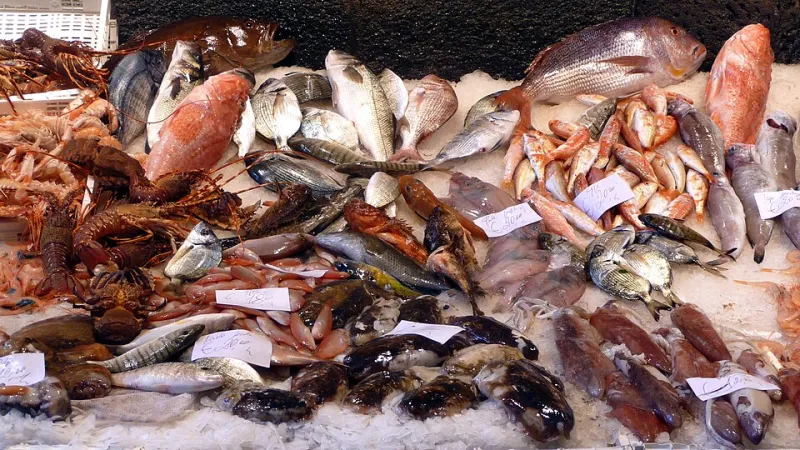
Photo: Lucarelli, CC BY-SA 3.0, via Wikimedia Commons
The menu at a busy seafood place in Hanoi's Old Quarter doesn't list a single fish by its scientific name — or, often, by any name you'd recognize. There's cá mú, cá nhám, cá đuối, cá kèo, tanks of wriggling things with no labels at all. For an American traveler used to 'wild-caught Alaskan salmon, $32,' it can feel like ordering blindfolded.
Here's the uncomfortable part: sometimes the vagueness is accidental, and sometimes it isn't. A few of those local names translate directly to species that marine biologists would rather you didn't eat — threatened groupers, juvenile sharks, and sea turtles that occasionally still slip onto plates despite being illegal.
I spent a week talking to vendors, a marine conservation officer, and one very patient restaurant owner to build the cheat sheet I wish I'd had on my first trip. Print it, screenshot it, or just memorize the three words below.
The Big Three: Names Worth Knowing
Cá mú — grouper. This is the fish most often featured whole, steamed with ginger and scallions, and it's the one that should give you pause. Several grouper species in the South China Sea are overfished or threatened, and the luxury status of large groupers means the big breeders get pulled first. If the fish in the tank is enormous and costs a small fortune, that's usually the sign of a slow-growing, late-reproducing animal that the reef can't spare.
Cá nhám — shark. Vietnamese menus rarely say 'shark.' They say cá nhám or serve it as lòng cá nhám (shark organs, a northern specialty) or in a sour soup. Sharks in this region are heavily pressured, and much of the catch is juvenile. If you wouldn't order shark fin soup — and you shouldn't — this is the same animal wearing a different name.
Cá đuối — stingray. Often grilled over charcoal and served with scallion oil, which is delicious. Some ray populations are in serious decline from bycatch and targeted fishing. This one's a judgment call, but if you're eating seafood every night of your trip, maybe make ray the dish you skip.
When in Doubt, Order the Bottom of the Food Chain
Vietnam's seafood scene is genuinely one of the best in the world, and avoiding the problem species doesn't mean eating tofu for two weeks. The most sustainable choices are usually the most local, traditional ones anyway.
Cá kèo (mudskippers or small gobies, depending on the region), cá cơm (anchovies, the backbone of dipping-sauce culture), cá thu (mackerel), and cá nục (round scad) are small, fast-reproducing fish that can handle fishing pressure. Clams, cockles, and farmed oysters filter water for a living and need no wild-catch at all. And cá kho tộ — caramelized fish braised in a clay pot — made with mackerel is arguably the best thing you'll eat in the country.
Farm-raised fish is trickier than it sounds. Vietnamese pangasius catfish gets a bad rap in the US, but the honest answer is mixed: some operations are certified and reasonably clean, others are not. Look for ASC certification if a menu mentions it.
What the Market Vendor Wishes You Knew
Down at a wholesale market in Hanoi, where the day's catch arrives around 4 a.m. on the backs of motorbikes, a vendor named Mrs. Hoa has been selling fish for twenty-two years. She's watched the tanks change.
'Foreigners point at the biggest fish,' she told me through a translation app. 'Always the biggest. They think big means special.' Her point: the fish that grow biggest are the ones that take decades to replace. Tourists ordering the trophy fish out of excitement are doing the same thing as everyone else in the supply chain — just faster.
She also mentioned that turtle meat, despite strict legal protection, still finds quiet buyers through word of mouth. If someone offers you ba ba (softshell turtle) off-menu, the answer is no — both for the species and for your legal exposure. Vietnam's wildlife protection laws have teeth now, and 'I didn't know' translates poorly at a police station.
Tools That Actually Help
You don't need to memorize a marine biology textbook. A few resources do the heavy lifting:
- The Monterey Bay Aquarium's Seafood Watch has a consumer guide and app, and while it's US-focused, its general principles (small, abundant, low on the food chain) travel well.
- WWF's sustainable seafood guides include Asia-specific pocket cards you can download as PDFs before your trip.
- Google Lens is quietly excellent here. Point your camera at a live fish in a tank or a menu item, and it will usually surface the species' English name and conservation status in seconds. I've used it at more tank-side decisions than I'd like to admit.
- iNaturalist works for identifying what's actually in front of you, if you're the nerdy type. No judgment. This is a science site.
A Two-Second Rule for the Road
If you remember nothing else, remember this: big fish in tanks, vague names, and off-menu 'specials' are the three red flags. Small fish, shellfish, and dishes the neighborhood families are eating are almost always the right call — for the ocean, for the fishers who depend on it, and honestly, for your dinner.
The best meal I had in three weeks of traveling Vietnam cost about four dollars: a clay pot of mackerel, morning glory with garlic, rice, and a beer on a plastic stool. Nobody had to translate a thing.