Fryer to Fuel: Inside the Mekong Delta Village Turning Tourist Kitchens Into Farm Power

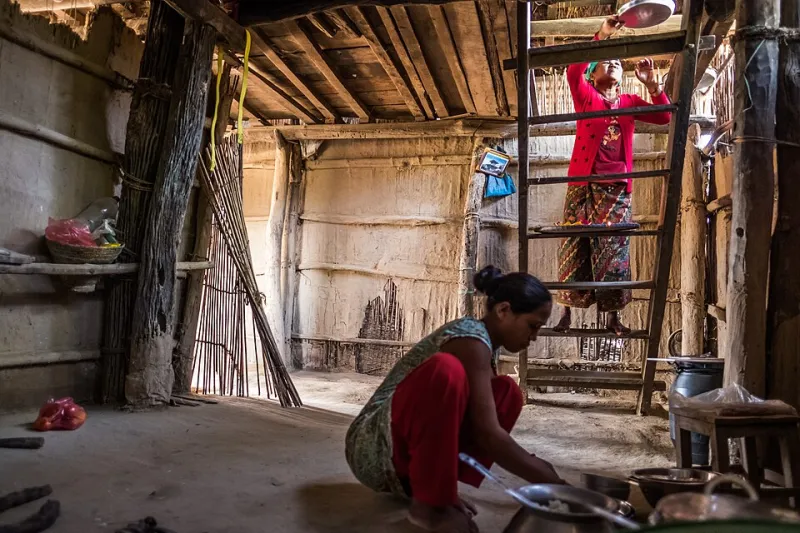
Photo: Vyacheslav Argenberg, CC BY 4.0, via Wikimedia Commons
The first thing you notice in the village of Tan Thuan, about two hours south of Can Tho, is the sound. Or rather, the absence of it. The tractors puttering along the canal paths run quieter than the ones you'd hear outside Fresno or Des Moines — a low, almost purring hum instead of the diesel clatter you expect from farm equipment.
That's because the fuel in their tanks was, three weeks ago, in a fryer basket. Probably cooking spring rolls for a table of tourists.
The Grease Is a Currency
The cooperative here — roughly two dozen families, a couple of pickup trucks, and a shed full of steel drums — runs on a simple insight: the Mekong Delta's booming food tourism scene produces an enormous amount of waste cooking oil, and almost none of it was going anywhere useful.
For years, the standard disposal method was whatever was cheapest. Some oil got dumped into canals. Some got collected by middlemen who'd re-refine it into questionable cooking oil that quietly re-entered the food supply — a genuine public health problem in Vietnam. The rest solidified in drums behind restaurants, leaking into the soil.
The co-op's founder, a retired agricultural extension officer named Mr. Bay, puts it bluntly: "We had a river full of pollution and a village full of tractors that needed diesel. Nobody had connected the two."
Following One Liter From Table to Tractor
Here's how the loop actually works.
Collection. Every two or three days, a co-op driver makes the rounds of partner restaurants — the riverside spots in Can Tho that serve the boat-tour crowds, the homestay kitchens feeding trekking groups, even a few hotel banquet operations. Restaurants get a small payment per liter (about 3,000-4,000 VND, or 12-15 US cents), plus the satisfaction of a tidy back dock. The driver swaps full jugs for empties, logs the volume, and moves on.
Testing. Back at the shed, each batch gets checked for water content and acidity. Oil that's been overheated or mixed with animal fat needs different chemistry. A lot of the tourist-facing kitchens, ironically, produce cleaner oil than local canteens because they change their fry oil more frequently — western visitors, it turns out, are picky about stale-tasting fried food.
Processing. The oil is filtered, then run through a basic transesterification process — methanol and lye convert the triglycerides into methyl esters, which is the technical term for biodiesel. The glycerin byproduct doesn't go to waste either; families use it as a base for soap.
The road test. The finished fuel goes into a blend — typically B30 to B50 mixed with conventional diesel for the tractors and water pumps. The co-op tested pure biodiesel for a season, but cold mornings in the delta occasionally gelled the fuel. The blend is the pragmatic compromise.
The economics only pencil out because the fuel is consumed locally. No transport, no distributors, no margin-stacking middlemen. A liter of the co-op's blend costs farmers roughly 30% less than pump diesel, and that spread is what keeps the whole operation alive.
Why Tourists Matter More Than They Think
This is where the story gets interesting for the green-minded traveler. The co-op's supply chain exists almost entirely because of tourism. Restaurants serving the Cai Rang floating market crowd and the homestay circuit generate the volume that makes collection routes viable.
Your banh xeo at a riverside restaurant in Can Tho is, indirectly, what funds a village fuel program. Not through a carbon offset you purchased at checkout — through the ordinary act of eating out somewhere that joined a collection network.
A handful of the partner restaurants now post a small sign explaining the program, and the co-op offers a short shed tour for travelers staying at nearby farm stays. It's not a production. There's no gift shop. You watch a guy named Tuan filter oil through what is unmistakably a repurposed mosquito net frame, and you leave with a much better mental model of what a circular economy actually looks like.
What US Cities Could Learn
American cities have been flirting with waste-oil biodiesel for two decades. San Francisco has a curbside cooking oil collection program. Rhode Island's Newport Biodiesel has been running restaurant grease through school buses and boats since 2008. Blue Ridge Biofuels in Washington, DC, powers the city's fleet on fryer grease. The technology is not exotic.
What the Tan Thuan model offers isn't innovation — it's integration. Three things stand out:
Hyperlocal consumption. Most US biodiesel gets sold into regional fuel markets, adding transport emissions and price volatility. The co-op burns everything within a few miles of the shed. The person who cooks your dinner and the farmer who grows your dinner are neighbors.
Restaurant-side incentive, not regulation. Vietnamese kitchens participate because they get paid, not because an ordinance requires it. US programs lean heavily on compliance mandates, which breeds minimum-effort participation.
A visible loop. When farmers buy fuel made from oil their community's restaurants discarded, everyone understands the system. In the US, the loop is invisible by design — grease goes into a tank behind the Cheesecake Factory and vanishes.
The Limits, Honestly
This is a small operation. It produces maybe 200-300 liters of fuel a week, and it depends on one charismatic founder and cheap labor. Scaling it would require capital, quality certification, and probably some regulatory attention that Vietnam's informal economy currently lets it dodge.
It's also not a climate silver bullet. Biodiesel from waste oil is genuinely good — it displaces fossil fuel and diverts a pollutant — but the volumes involved are a rounding error against total transport emissions. The delta's bigger problems, from saltwater intrusion to sand mining, dwarf what a village co-op can fix.
But as a demonstration of what travel-driven waste streams could become, it's hard to beat. The next time you're in the Mekong Delta and your spring rolls arrive crackling hot from a fresh batch of fry oil, consider where it's headed after dinner. Quiet tractors are counting on it.