Ghost Nets Get a Second Life: The Fisherwoman Rebuilding Cat Ba's Reefs One Haul at a Time
Most visitors to Cat Ba Island come for the limestone karsts, the kayaking, the sunset beers on the harborfront. They don't come for the underwater junkyard.
But that's exactly what Nguyen Thi Hanh goes looking for after dark.
For the past six years, Hanh — a third-generation fisherwoman who grew up on a floating house in Lan Ha Bay — has spent her nights on a small wooden boat dragging grapples across the seafloor, hauling up what divers call "ghost nets": abandoned fishing gear that keeps killing marine life long after the fishermen who left it behind have gone home. Some of these nets stretch for hundreds of meters, draped over coral heads like burial shrouds.
The Problem Nobody Photographs
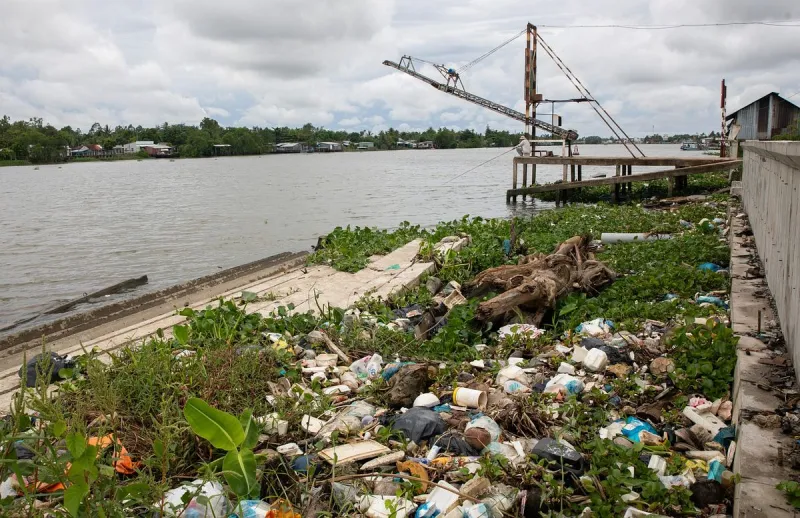
Ghost fishing is one of those issues that rarely makes the brochure. Estimates from the UN's food and agriculture agency suggest abandoned, lost, or discarded fishing gear makes up a startling share of ocean plastic — some researchers put it at roughly 10 percent of all marine litter by weight. In Vietnam's crowded bays, where trawling and gill-netting have intensified for decades, the problem is baked into the seascape.
A lost net doesn't just sit there. It fishes. It snags groupers, crabs, sea turtles, anything that wanders in, then entices bigger predators that become the next victims. And because the nylon mesh used in most commercial nets resists degradation, a single net can keep killing for years.
Hanh saw it firsthand. "My grandfather's fishing grounds died slowly," she told me over strong coffee on the Cat Ba waterfront. "We blamed the weather, the government, the big boats. But when I started pulling up my own nets that I'd lost years ago, still catching fish — I understood we were haunting ourselves."
From Kill Site to Nursery
What happens to a net once Hanh's crew pulls it aboard is where the story gets interesting — and where the supply chain gets genuinely circular.
The salvaged nets are towed to a small dock on the island's eastern shore, where volunteers from two local dive shops help sort the haul. Heavily degraded netting gets sent to a recycler on the mainland that turns nylon into pellets for plastic products. The good stuff — structurally intact mesh — gets a second job entirely.
Working with dive instructors, the crew bundles and weights the nets over cleaned sections of dead or damaged reef, anchoring them with concrete and limestone blocks. The mesh acts like scaffolding: coral fragments attach to it, juvenile fish shelter in it, and within a couple of seasons, what was a killing machine becomes a living structure. Divers who've been monitoring the older sites report noticeably higher fish counts compared to nearby control areas.
It's not a silver bullet — no artificial reef replaces a healthy, intact ecosystem — but as restoration goes, it's elegantly cheap. The raw material is trash. The labor is community. The monitoring is powered by tourism.
Where You Come In
Here's the part US travelers should pay attention to: you can join a retrieval trip.
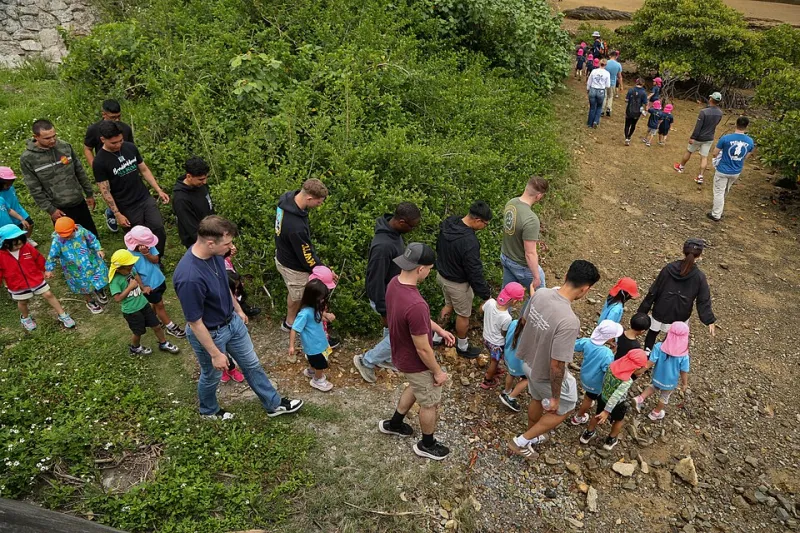
A handful of Cat Ba operators now run "net hunts" — morning or evening boat trips where paying guests help spot and hook ghost nets using grappling lines and GPS marks from previous recoveries. No dive certification required for surface retrieval work; certified divers can assist with the delicate underwater cuts that free a net from coral without doing more damage.
A few things to know before you book:
- Ask who keeps the money. The better operators route a fixed share of the trip fee into a village fund that covers fuel, boat maintenance, and a small stipend for the fishers doing the work. If an operator can't answer that question clearly, book elsewhere.
- Expect to haul, not to pose. Retrieval is wet, heavy, occasionally smelly work. If a trip looks suspiciously photogenic in the marketing photos, that's your tell.
- Skip the coral-planting add-ons unless they're monitored. Transplanted coral without follow-up surveys is often just theater. The dive shops working with Hanh's crew log every site and revisit quarterly — ask to see the logbook.
Can It Scale Without Breaking?
The honest tension in this story — and the reason it's worth your attention beyond the feel-good factor — is whether a model this small can grow without tourism becoming the crutch it leans on.
Right now, the economics are fragile. Retrieval trips and dive-shop partnerships cover perhaps half the operating costs; grants and Hanh's own fishing income cover the rest. If visitor numbers drop, the whole pipeline wobbles. And there's a subtle risk familiar to anyone who's watched conservation tourism elsewhere: when restoration becomes the attraction, the incentive quietly shifts from removing nets to staging net removals for cameras.
Hanh is clear-eyed about it. "Tourists pay for the diesel," she says, laughing. "But the reef doesn't know who paid. Either the net comes up or it doesn't."
Her ambition is for the work to eventually need fewer visitors, not more — funded instead by a modest fee on local fishing licenses and a gear-deposit system that makes abandoning a net more expensive than retrieving it. That's the version that scales. In the meantime, every traveler who books a legitimate retrieval trip buys the community time to build it.
Go Before the Crowds Do
Cat Ba sits in the shadow of Ha Long Bay's mega-cruise industry, which is exactly why its quieter waters still have reefs worth rebuilding. The island's national park, its floating villages, and now its underwater restoration sites offer something increasingly rare in Vietnamese tourism: a chance to leave a place measurably better than you found it.
Pack a rash guard, bring your seasickness pills, and be ready to pull rope until your forearms burn. The fish — the ones still alive, and the ones yet to come — will thank you for it.