Follow the Trek: Tracing Every Dollar From Your Booking Site to a Hmong Guide in Sapa
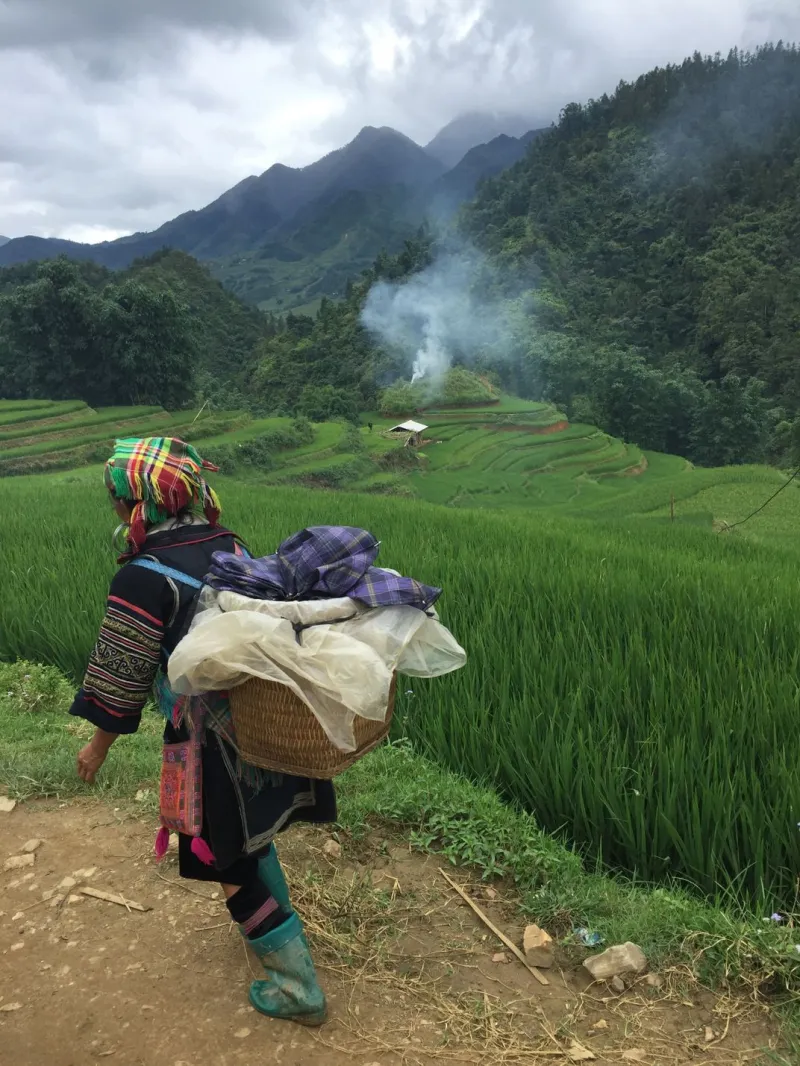
Photo: Hmong woman guide leading trekking tour Sapa rice terraces Vietnam, via th-thumbnailer.cdn-si-edu.com
The trek starts the way they all do in Sapa: a woman in indigo fabric falls into step beside you on the mud-slick path, laughing at your hiking boots, offering a hand at the steep parts. By the second hour she's pointed out three medicinal plants, named every village on the ridge, and told you which rice varieties grow at which elevation. By lunch, you're wondering — maybe for the first time — what she's actually being paid for this.
The answer, more often than it should be, is: not enough. Sometimes barely anything.
Where Your Booking Dollars Actually Go
Here's the typical chain for a US traveler booking a Sapa trek through a major online platform. You pay, say, $180 for two days. The platform takes a commission — commonly 15 to 25 percent. An international or Hanoi-based inbound operator takes another cut for logistics, marketing, and margin. A local Sapa agency takes its slice. What remains for the guide's wage can land somewhere between $10 and $25 per day.
For context: that guide walked four hours to meet you, speaks at least three languages, cooks your lunch, and carries emergency knowledge that keeps you alive on a wet mountain. Meanwhile, the same woman may be expected to spend the afternoon selling embroidery to you and other trekkers — because the souvenir sale is often where guides are quietly expected to make up the difference.
This is the extractive model, and it's everywhere: foreign-run agencies with Vietnamese faces on the brochure, community "involvement" that begins and ends with a photo opportunity.
Five Questions That Separate Real From Fake
Not every operator running a good-looking Instagram is running a good operation. Before you book, ask these:
- Who owns the company? Look for operators legally registered to Hmong, Dao, or Tay owners in Lao Cai province, not just "partnership with local communities" language.
- What's the published guide rate? Genuinely fair operators will tell you — often $40–60 per day or more, plus meals and accommodation.
- Where does the homestay money go? If your overnight is in a village, ask what percentage reaches the host family. It should be most of it.
- Are meals sourced locally? Farm-to-trek menus mean rice, greens, and pork bought from the families you're walking past.
- Can they show you a recent guide roster? Community-owned operations know their guides by name and season.
Five Treks Where the Trail Leads Home
Based on published pay structures, ownership, and traceable community revenue, these operations pass the sniff test:
- Sapa Sisters — a Hmong women-owned trekking collective where guides set routes and rates, with a majority share of tour cost going directly to the guide.
- Green Trek Sapa — local ownership, transparent daily guide wages, and homestay revenue paid directly to host families in Ta Van and Lao Chai.
- Ethos – Spirit of the North (Thai Nguyen and Ha Giang routes) — community-run hospitality network where village hosts and guides are the same people.
- O'Chau Trekking & Homestay — founded by a local guide, employing village-based Hmong and Dao guides with documented above-market pay.
- Trekking Sapa's women-led village cooperatives in Ban Pho and Thanh Phu — bookable through the villages themselves, with farm and meal revenue staying on the mountain.
Walk Slower, Pay Fairer
A two-day trek with a fairly paid guide costs roughly the same as the extractive version — maybe $20 more. That's the entire price of doing this right: one fewer airport beer, one guide who can afford to keep her kids in school in the valley where she was born.
The rice terraces will still be there whether you book well or badly. The question is whether the women who maintain them, terrace by terrace, will still be walking those trails as owners of the experience — or just as scenery in someone else's margins.