While Saigon Sleeps, These Grandmothers Sort the City's Party Aftermath

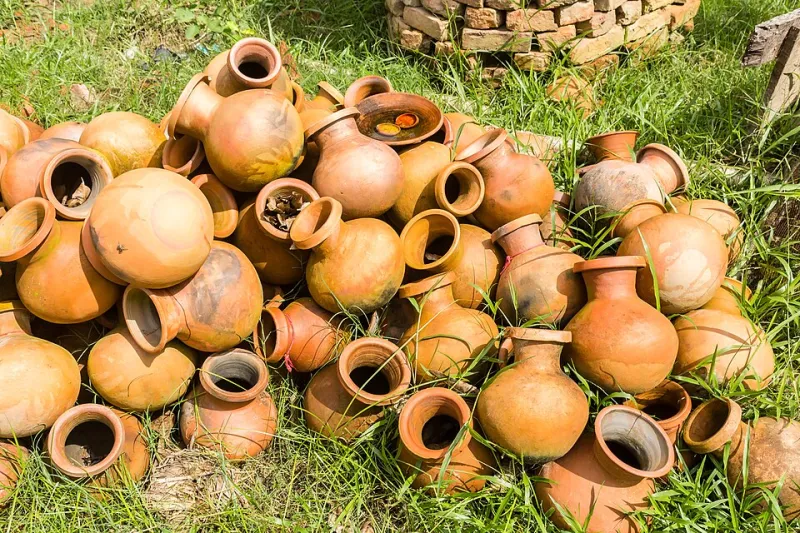
Photo: Jules Verne Times Two, CC BY-SA 4.0, via Wikimedia Commons
There's a moment around 11 p.m. in Saigon when the backpacker district starts to exhale. The karaoke bars thin out, the last banh mi carts pack up, and the street sweepers — many of them grandmothers in conical hats and surgical masks — begin the night's real work. Armed with grabbers, headlamps, and woven plastic sacks, they move through the wreckage of the evening: thousands of plastic cups, beer bottles, straws, and food containers left behind by travelers who came for cheap pho and neon.
Most visitors never notice them. But if you've ever walked down Bui Vien or through the Ben Thanh night market, your trip was quietly cleaned up by women like 67-year-old Co Sau, who has been sorting the district's trash for over a decade.
The Economy Nobody Put on the Brochure
Vietnam's tourism industry loves to talk about its green credentials — eco-lodges, plastic-free initiatives, mangrove plantations. What rarely makes it into the marketing is the informal waste economy that does the heavy lifting. Waste pickers like Co Sau aren't employed by the city or the tourism board. They're self-employed in the loosest sense: they collect recyclables, sort them by type and color, and sell them by weight to scrap dealers, or 've chai.'
A kilogram of sorted PET plastic might fetch a few thousand Vietnamese dong — think 10 to 15 US cents. A full night of work, hauling a 30-kilogram sack through wet streets, might earn her the price of a single craft cocktail at the very bars that produced the waste.
Here's the part that should sting for American travelers: the recycling infrastructure we take for granted at home — curbside bins, municipal trucks, sorting facilities — barely covers Vietnam's tourism hotspots. The gap is filled by an estimated workforce of thousands of informal collectors, disproportionately older women, who subsidize the industry's cleanup costs with their own labor. Economists call this an externality. Co Sau calls it a living.
Why the Math Doesn't Work
The value chain is brutally compressed. A plastic cup that a bar sells beer in for $2 becomes, by morning, raw material worth pennies. The scrap dealer takes a margin, the aggregator takes a margin, and by the time the plastic reaches an actual recycling facility, the person who did the hardest, grimiest work — the sorting, the hauling, the handling of broken glass and worse — has earned the smallest slice.
It's worth comparing this to the US, where waste management is largely formalized, unionized in some cities, and funded through taxes and fees. In Vietnam, the equivalent service is performed by people with no safety equipment, no health insurance, and no retirement plan. The tourism industry benefits enormously from their existence without paying them a cent.
What Travelers Can Actually Do
I'm not going to tell you to stop drinking beer on Bui Vien Street — that's not the point. But there are small, concrete ways to make the night's work a little less punishing:
Separate your trash at the table. Stack your empties and put caps and cups in distinct piles if you can. Pre-sorted recyclables are worth measurably more per kilogram, and some of that value flows back up the chain.
Choose glass over plastic. Bottles have real deposit value in Vietnam's scrap economy and get refilled. Flimsy plastic cups are nearly worthless by weight.
Skip the straw. Nobody in the informal economy can earn anything from a straw. It's pure cost with zero payoff.
If you give money, give it directly. Some travelers hand small tips directly to waste collectors — a gesture more useful than dropping coins in a temple donation box that may or may not reach anyone.
Ask your hotel or hostel the uncomfortable question: what happens to the recycling here? Even asking signals demand, and hostel owners talk to each other.
Seeing the Invisible Workforce
On my last night in Saigon, I bought Co Sau a coffee from a street vendor and, through a friend who translated, asked what she wished tourists knew. She thought for a moment and said: 'We're not beggars. We're working.'
That distinction matters. Waste picking is labor — skilled labor, even, requiring knowledge of plastic grades, market prices, and the geography of a city's trash flows. The grandmothers of Saigon's night markets aren't a heartwarming sidebar to your vacation photos. They're the last mile of a recycling system your travel dollars depend on.
Sustainable tourism, at its most honest, isn't just about carbon offsets and reusable bottles. It's about noticing who does the work your convenience creates — and deciding they deserve a fairer share of it. The next time you leave a bar in Saigon at midnight, look past the neon. Someone is already there, headlamp on, turning your evening into tomorrow's raw material. The least we can do is make her night a little easier.