Your Suitcase Is a Supply Chain: Packing for Vietnam Like You Actually Mean It
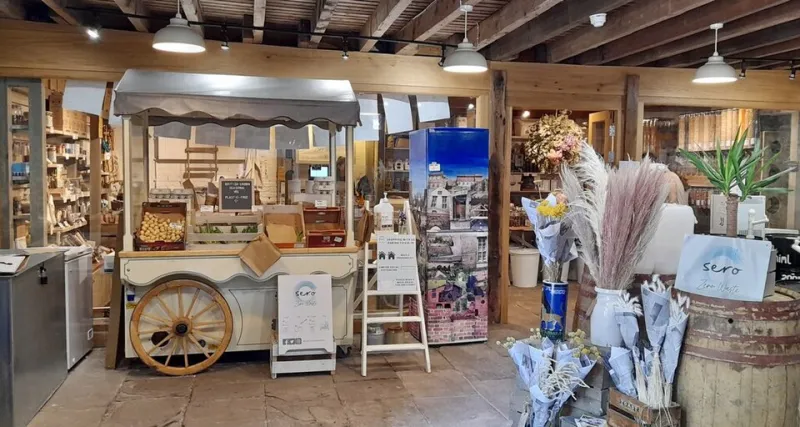
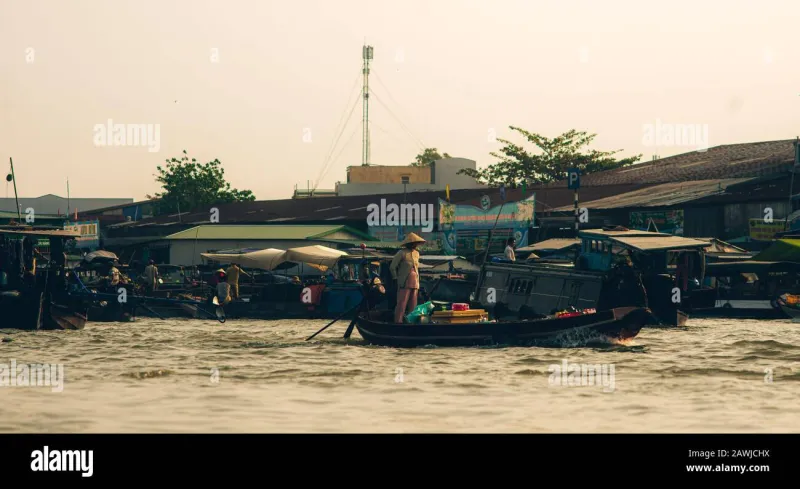
Photo: Robin Drayton , CC BY-SA 2.0, via Wikimedia Commons
Here's an uncomfortable truth about your flight to Hanoi: the environmental damage didn't start at the airport. It started three weeks earlier, in the toiletries aisle, when you tossed a six-pack of 3-ounce plastic bottles into your cart without thinking twice.
We've been trained to think of sustainable travel as a series of in-the-moment decisions — declining the straw, skipping the towel change. But the real leverage point is your luggage. What you pack determines what you throw away. And for most American travelers, what we pack is a small landfill with a carry-on handle.
The American Travel Kit Is a Waste Problem in Miniature
Think about the standard US vacation packing formula. Travel-size everything — shampoo, sunscreen, bug spray, each in single-use plastic destined for a Vietnamese landfill within days. A "vacation wardrobe" of fast-fashion pieces bought specifically for the trip, worn twice, then abandoned or donated into a secondhand stream Southeast Asia never asked for. Wet wipes by the dozen. Ziploc bags "just in case."
None of this is malice. It's convenience culture doing what it does. But when 100,000 of us fly into Vietnam each high season carrying the same kit, the math gets ugly fast.
Vietnam Doesn't Need You to Import Your Plastic
Here's what the guidebooks haven't caught up on: Vietnam has a genuinely thriving zero-waste retail scene now, and it's built for exactly this moment.
In Hanoi, refill stores like Sổ Tay Zero Waste and similar shops in the Tay Ho district let you bring a container — or buy a durable one there — and fill it with shampoo, dish soap, laundry detergent, and body wash by weight. Hoi An, arguably Vietnam's most visited small town, has its own ecosystem of refill stations and bulk goods shops within walking distance of the Old Quarter, plus the famous weekly "zero-waste corner" where vendors sell produce without packaging entirely.
The products aren't boutique-priced, either. Refilling a bottle of shampoo costs roughly what it would at a Vietnamese convenience store — which is to say, a fraction of what you paid for the travel-size version at home.
What Vietnamese Eco-Entrepreneurs Actually Want You to Carry
I asked around — shop owners, refill station staff, a Hanoi-based tour operator who runs plastic-free itineraries. Their packing advice converges on a short list:
- One sturdy refillable bottle with a filter if you're picky. Vietnam's water isn't tap-drinkable, but filtered refill stations are increasingly common at guesthouses.
- A solid bar kit: shampoo bar, soap bar, sunscreen in a tin. Solids don't count against your liquid limit and outlast three bottles of the liquid stuff.
- A real utensil set and cloth napkin. Vietnam's street food culture is the best on Earth; it's also built on single-use chopsticks and foam containers. Your own spork matters more here than almost anywhere.
- A packable tote for markets, so vendors aren't handing you a plastic bag for every purchase.
- Reef-safe sunscreen packed once, not repurchased per trip.
- Clothes you already own. This is the radical one. You don't need a new "Vietnam wardrobe." You need breathable fabrics and comfortable shoes, which you probably have.
That's it. No bottle brigade, no matching travel minis, no panic purchases at the airport.
The Deeper Argument
There's a fairness issue here we should name. Vietnamese communities absorb the waste generated by tourism — the beach cleanups, the overflowing bins in Ha Long Bay town, the plastic washing down the Red River. When we pack thoughtfully and buy from local refill shops, we're not just reducing trash; we're routing our money to Vietnamese entrepreneurs building the alternative economy instead of to a shrink-wrap industry back home.
Sustainable travel, done honestly, is a redistribution problem. Your suitcase is the first place to start.
So before your next trip, do one thing: cancel the travel-size haul. Buy the bar of soap. Leave the space in your bag empty — you'll want the room for the ceramics and coffee you're bringing home anyway.