Order the Problem: Why Some Vietnamese Kitchens Are Serving Invasive Species for Dinner
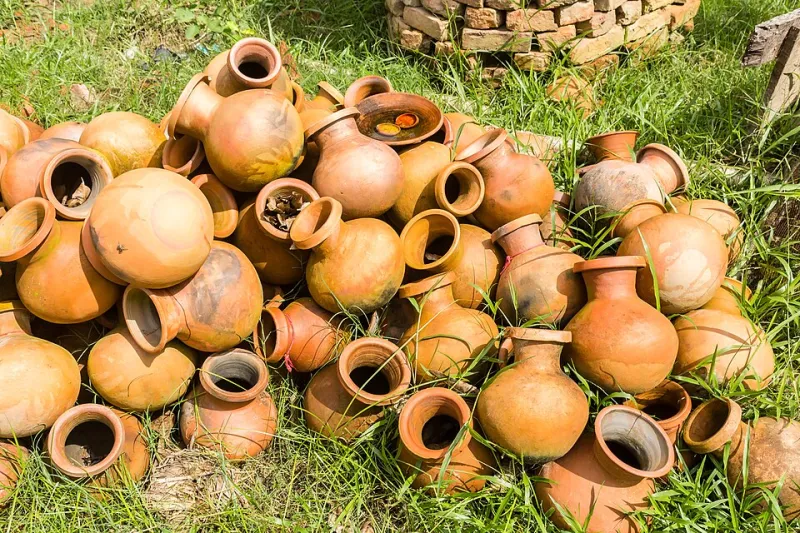
Photo: Bijay chaurasia, CC BY-SA 4.0, via Wikimedia Commons
There's a moment at a small eco-lodge outside Cát Tiên National Park when the waiter sets down a clay pot of braised pork and tells you, cheerfully, that the animal spent its last months destroying a farmer's yam field. You're not just eating dinner. You're doing land management.
Welcome to the strange, delicious frontier of invasive-species cuisine — where the most sustainable thing on the menu is the thing conservationists wish didn't exist at all.
The Pigs That Ate the Highlands
If you've trekked anywhere in Vietnam's northern provinces lately, you've probably heard about the wild pig problem before you've seen it. Descended from escapees and, in some cases, released North American and Eurasian stock, feral pigs root through hillside farms like tiny bulldozers. A single sounder can flatten a maize plot overnight. Farmers respond with snares, poison, and frustration.
A handful of lodges and restaurants have proposed a fourth option: a smoker.
The logic is simple economics. If a destructive animal has market value, hunters have incentive to keep hunting it — and farmers have a reason to call a hunter instead of reaching for banned chemicals. Several community-run outfits near protected buffer zones now buy trapped pigs from villagers at fair prices and put them on the dinner menu as slow-braised specialties. Guests get a genuinely local dish. Villagers get income. The forest gets a small break.
It's not a silver bullet. Ecologists are quick to note that hunting alone rarely eradicates a well-established invasive population — these animals reproduce faster than any kitchen can keep up. But as one lodge manager told me, shrugging: "We cannot remove them all. We can at least make them useful."
Snails, Water Hyacinth, and Other Uninvited Guests
Pigs are just the headline act. Vietnam's waterways have their own invaders, and enterprising cooks have been quietly harvesting them for years.
The apple snail — a South American arrival that devours rice seedlings and ranks among the world's worst invasive species — has long been a cheap protein in rural markets. What's newer is the framing. Some Mekong Delta guesthouses now list snail dishes with the provenance spelled out: caught from the rice paddies, removing a pest, feeding you lunch. It's the same impulse driving water hyacinth crafts and salads made from weeds that clog the canals. If it grows abundantly and harmfully, someone will figure out how to plate it.
There's even a term floating around conservation circles for this: the invasivore movement. And here's where the story gets interesting for American travelers.
Could This Work Back Home?
The US already has the raw material. Wild boar are wrecking ecosystems from Texas to California. Lionfish are devouring Caribbean and Atlantic reefs. Asian carp are barreling up the Mississippi. Invasive green crabs are so abundant in New England that chefs can barely give them away — even though a well-made green crab stock is fantastic.
Some American chefs and conservation groups are trying. Louisiana has run campaigns encouraging people to eat nutria, a swamp-swelling rodent. Florida restaurants put lionfish on specials boards. But it's still niche — a novelty rather than a norm.
What Vietnam's kitchens understand, and what US restaurants could steal, is that the story sells the dish. Nobody orders "invasive species" for the novelty alone; they order it because the server explains the rice paddy, the farmer, the trap line. Invasive-species dining works when it's framed as terroir — a taste of a specific place and its specific problems. American restaurants have the storytelling chops. What they mostly lack is supply chains, and that's where the real work lives: building relationships between hunters, divers, foragers, and kitchens so the invader shows up on the menu consistently, not as a stunt.
The Traveler's Role
So what do you do with this on your next trip? Ask. At homestays and eco-lodges, ask what's local, what's seasonal, and — if you're feeling adventurous — what's invasive. You'll occasionally get a puzzled look, and then a story. Those stories are often the best part of the meal.
A few honest caveats. "Invasive" isn't a health or sustainability guarantee on its own; you still want to know the animal was trapped or hunted safely, not farmed under a convenient label. And eating an invasive species should never become an excuse to skip the harder conservation conversations — habitat protection, wildlife trafficking, the pet trade that started many of these invasions in the first place. A pot of braised pig doesn't undo a smuggled monkey.
But there's something refreshing about a menu that admits the ecosystem is complicated. Most sustainable-tourism dining asks you to consume less, or consume differently. This asks you to consume the problem itself — to leave a place a little better fed, and a little less invaded, than you found it.
That's not a gimmick. That's just a very good dinner doing double duty.