Midnight, 400 Skewers, One Bin: Following the Trash Trail Through Vietnam's Night Markets
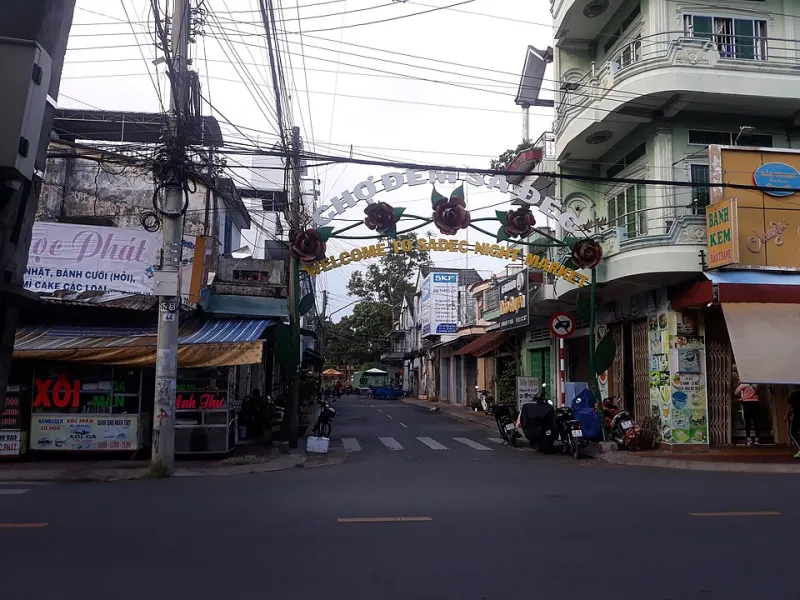
Photo: Duong Dang Khoi, CC BY-SA 4.0, via Wikimedia Commons
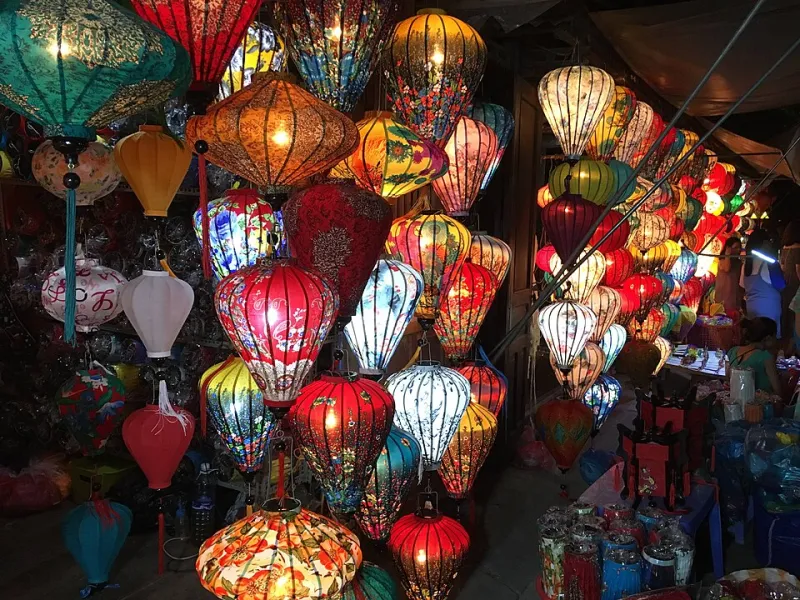
There's a version of a Vietnamese night market you see on Instagram: glowing lanterns, a steaming bowl of bún bò Huế held just so, the bokeh of a hundred string lights. Then the tour buses pull away, the shutterbugs go home, and the second shift clocks in — the one nobody films.
I spent a recent week wandering through markets in Hoi An, Da Lat, and Hanoi's Old Quarter at the hours when the cameras weren't looking, and what I found wasn't a scandal so much as a math problem. A single vendor grilling pork skewers can move 300 to 400 sticks a night. Each one comes with its own bamboo skewer, its own napkin, often its own tiny plastic bag of chili salt. Multiply that by a market of 200 stalls and you're looking at a small mountain of single-use everything — generated between roughly 6 p.m. and 11 p.m., and hauled off before dawn.
The styrofoam is the part that stings. It's cheap, it insulates broth well, and it survives exactly one bowl of pho before it becomes landfill that outlives everyone eating from it. Vietnam has banned several single-use plastics in tourist zones, but enforcement at 10 p.m. at a crowded market stall is a different animal than a ministry directive.
The Generation That's Done Waiting
Here's the part worth flying with, though: there's a quiet rebellion underway, and it's being run by people younger than the market itself.
In Da Lat, I met a 26-year-old who runs a banh trang nuong stall — the crispy grilled rice paper everyone calls "Vietnamese pizza" — and hands it over on a steel plate with a deposit sticker. Pay 10,000 dong extra, get it back when you return the plate. Her return rate, she says, hovers around 80 percent. In Hanoi, a small startup is piloting a returnable container pool across several street vendors: stainless tiffin-style bowls, washed at a central hub, cycled back out the next night. Think of it as the deposit-on-a-can system most American states have had for decades, except applied to your midnight noodle fix.
Is it perfect? No. Some vendors told me the deposit system annoys tourists who don't understand it. Others said washing logistics eat into already thin margins. But the direction of travel is unmistakable, and it's being driven by vendors who watched trash pile up outside their own stalls and decided the status quo was embarrassing.
A Traveler's Field Guide to Spotting the Real Thing
If you're visiting from the US and want your night-market dollars to reward the vendors actually doing the work, here's what to look for — no fluency in Vietnamese required.
Watch what the locals do. If Vietnamese families are eating at a stall, they're usually getting real dishes and real bowls. If a stall has two service streams — ceramic for locals, styrofoam for foreigners — that's your tell. Order in the spirit of the first line, even if your Vietnamese is limited to "xin chào" and pointing.
Look for the deposit. Stalls using returnable plates or cups usually have a laminated sign or a hand-written price list with a separate line for "cọc" (deposit). Ask "Hoàn lại được không?" — "Can I get this back?" — and hand it over when you're done. You'll get your money back and a genuine smile.
Skewer count matters. A vendor who grills your meat onto a reusable skewer or serves it on banana leaf instead of a foam tray is making a deliberate, slightly inconvenient choice. Reward it. Banana leaf isn't a gimmick — it's a centuries-old packaging system that composts in your host's garden, not in a canal.
Bring your own everything. A collapsible cup and a spork weigh about as much as a phone charger and turn you into a walking deposit-free container. Vendors here are used to it — Vietnamese schoolkids have been bringing their own bottles for years.
The Photo Test
Here's my honest rule of thumb after a week of this: the markets that look best at midnight are usually the ones that clean up best, too. The stalls with the most pride in their food tend to have pride in what happens after the last bowl is cleared. Performance sustainability — the recycled-signboard logo, the "eco" banner over a bin full of styrofoam — doesn't survive contact with the 11 p.m. rush. Real systems do.
None of this means you skip the night market. You absolutely shouldn't; it's one of the great travel experiences on earth, and the food is better than anything you'll pay triple for back home. It means you go in with your eyes open, your deposit money ready, and your skewers counted. The trash trail ends somewhere. You get to choose where.