The Cleanup Crew: What Vietnam's Beach Volunteers Can Teach America About Fixing Coastal Tourism
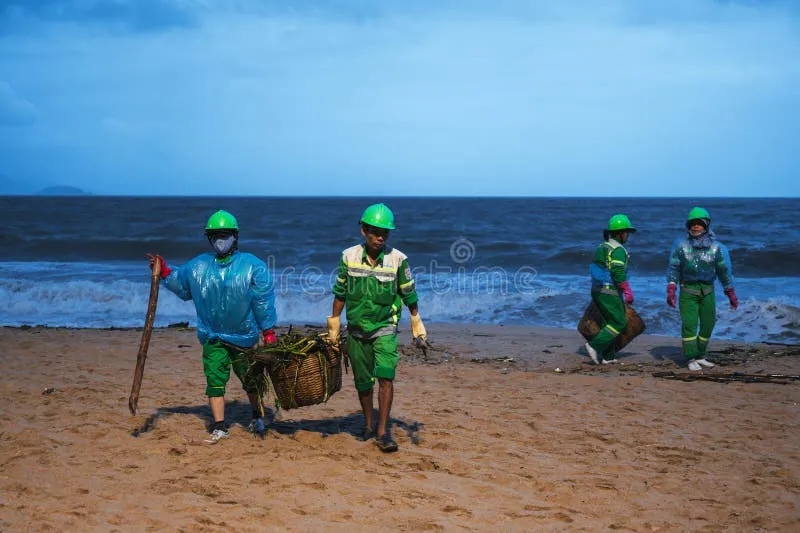
Photo: volunteers collecting plastic trash on tropical beach cleanup Vietnam, via thumbs.dreamstime.com
Here's an uncomfortable truth about the responsible travel industry: a lot of it is marketing. Carbon-neutral labels, bamboo straws, a reusable tote in your welcome kit — much of what gets sold as "sustainability" wouldn't survive an audit.
Then there's what's happening on Vietnam's beaches.
A Movement Built by Handfuls of Neighbors
Start with the scale of the problem. Vietnam has ranked among the world's top contributors of ocean plastic, with estimates once suggesting the country dumped more plastic into the sea than entire continents. It became a national embarrassment — and then, slowly, a national project.
In 2018, a group of volunteers in Ho Chi Minh City launched a campaign to collect 100,000 bottles of trash from beaches around the country. It worked, and it spawned something bigger: a network of cleanup crews, from Da Nang to Nha Trang to the southern islands, that now organizes regular coastal sweeps involving thousands of participants — students, hotel staff, monks, and increasingly, tourists.
In Hoi An, the zero-waste movement led by local advocates like the team behind the city's plastic-free markets pushed restaurants and homestays to swap single-use plastics for refillable and biodegradable alternatives. On Phu Quoc, dive shops bundle reef cleanups into regular dive trips. In Da Nang, morning beach yoga groups finish their sessions with a 15-minute trash pickup, no sign-up required. This isn't NGO theater. It's neighbors, bored on a Sunday, deciding their coastline is worth the labor.
Why Travelers Keep Showing Up
Here's what struck me watching these events: nobody recruits tourists. They just show up. A couple from Oregon visiting Hoi An joined a river cleanup after seeing a chalkboard sign at their hostel. A family from Austin spent a morning collecting bottle caps on An Bang Beach because their kids wanted to. Word travels the way good ideas always have — person to person, bucket to bucket.
And that's the part that matters. Vietnam's cleanup movement reframed responsible tourism from something you buy into something you do. The distinction sounds small. It's actually a complete overhaul of the concept.
For two decades, the American travel industry has treated sustainability as a consumer product — an add-on, a certification, a fee you pay to offset your guilt. The Vietnamese model says the product was never the point. The community is the point. The beach is the point. Your hands in the sand, picking up somebody else's straw, is the point.
What Americans Should Steal From This
The US has its own coastline problems — and, frankly, its own voluntourism problems, where well-meaning trips do more for the traveler's conscience than the destination. Vietnam's grassroots approach offers a cleaner template:
- Join, don't launch. Show up to an existing local effort rather than starting your own. Locals know where the trash actually goes and which organizations will handle it properly. In the US, that means finding your local Surfrider chapter or municipal cleanup instead of organizing a parallel event.
- Make it routine, not an event. A 15-minute pickup tacked onto an activity you're already doing beats an annual Earth Day gesture. Habits scale; stunts don't.
- Follow the waste stream. The real question isn't how much you collected — it's whether it gets recycled or landfilled. Ask. In Vietnam, organizers increasingly weigh and track collections precisely because data drives policy.
- Pressure the businesses you use. Vietnamese cleanup groups successfully shamed and partnered with hotels into cutting single-use plastics. American travelers can do the same with the resorts, airlines, and cruise lines they book — reviews and repeat business are leverage.
The Verdict
Can a plastic-free beach trip actually work? Not perfectly — plastic-free is a direction, not a destination. But Vietnam's coastal volunteers have demonstrated something the global tourism industry badly needed demonstrated: that the most powerful sustainability tool isn't a certification or an app. It's a bucket, a pair of gloves, and a local community that expects visitors to pitch in.
Next time you travel — to Da Nang or Daytona — don't just ask whether your hotel is green. Ask where the cleanup meets on Saturday morning. Then show up.